Correct handling of the soil in the spring season: why is the soil compacted?
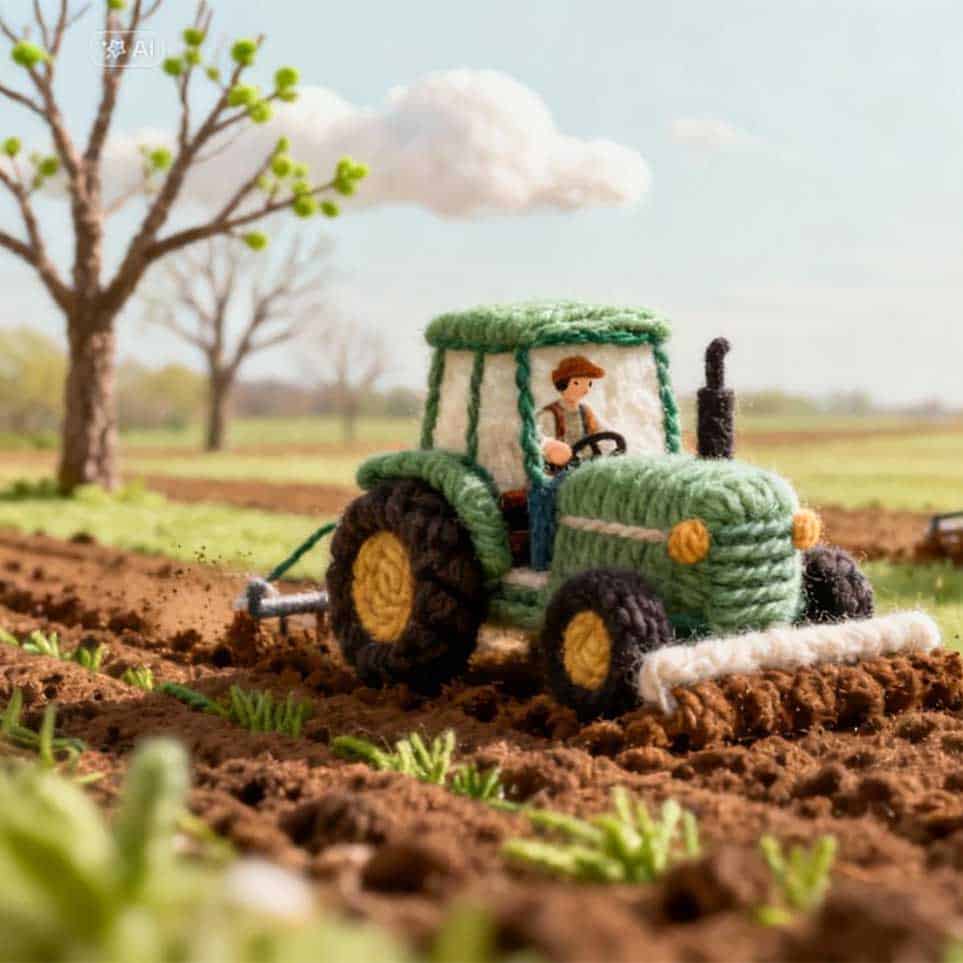
The season of spring crops requires specific agrotechnical practices. The most important problem in this process is soil compaction. As a result of compaction of the soil, the small air spaces in it are reduced or completely disappear, which makes it difficult for water to pass and the development of roots. As a result, plant nutrition weakens and productivity decreases.
Several factors contribute to this: operating heavy machinery in wet conditions, seasonal or continuous grazing, continuous surface loosening, and heavy rainfall. To prevent such situations, it is necessary to carefully manage the soil.
There are several effective ways to manage compacted soil. First of all, deep loosening techniques such as subsoiler or disk ripper equipment can be used. These techniques improve soil aeration and reduce compaction without overturning the soil layer.
It is also important to be careful when moving equipment in the field: as far as possible, heavy equipment should be moved away from cultivated fields. Cars must always be used within the specified norms and with the correct tire pressure. It is necessary to check the tire pressure every week.
In addition, planting deep-rooted green plants is also very useful in restoring soil fertility. The roots of such plants not only reduce compaction, but also absorb organic matter into the soil and increase the activity of beneficial microorganisms.
It is also necessary to strictly avoid using equipment on wet soil. It is necessary to wait patiently for a period without rain in the spring and start field work after the soil has dried enough. Otherwise, moving heavy machinery over wet soil can cause years of hardship.